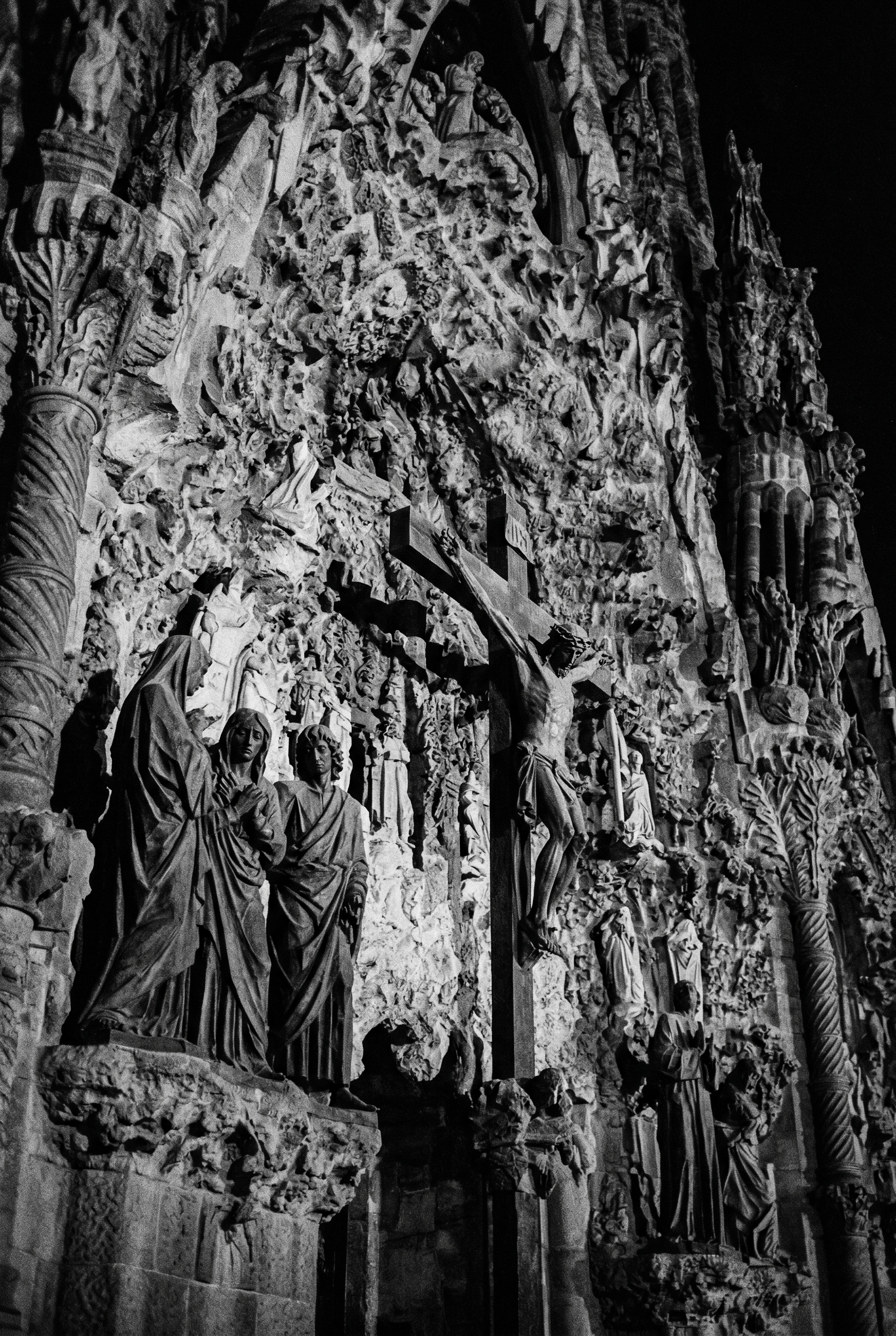
Barcelona's eight neighborhoods feel like entirely different cities. The Gothic Quarter and El Born are steps apart but worlds different in character. Pick wrong and you'll spend your holiday dodging pickpockets and paying tourist prices. Pick right and you'll understand why people move here. Here's the honest guide for 2026.

Key Takeaways

  • First visit? Stay in Eixample — walkable to everything, best restaurants, safer than the Gothic Quarter.
  • Return visit or longer stay? Gràcia or El Born — more local, quieter, better value.
  • Families: Sarrià-Sant Gervasi or Gràcia — residential, safe, great parks.
  • Nightlife focus: Barceloneta or El Raval — but understand the trade-offs (noise, safety).
  • Barcelona has restricted new tourist apartment licences since 2024. Verify HUTB numbers for any rental 1.

Neighborhood by Neighborhood

1. Gothic Quarter (Barri Gòtic) — Historic But Handle with Care

The medieval heart of Barcelona. Narrow stone lanes, the Cathedral, Plaça Reial, and 2,000 years of history compressed into 1.5 square kilometres. It's genuinely beautiful and extremely convenient — everything is walkable.

The honest trade-offs: The Gothic Quarter has the highest pickpocket rate in Barcelona, concentrated around La Rambla, Plaça Reial, and the area near the Cathedral. Nighttime noise from bars and tourists on narrow streets is relentless in summer. Many of the "local" restaurants here are tourist traps with laminated menus.

  • Best for: first-time visitors who want to be in the historic core and don't mind the trade-offs.
  • Avoid if: you're traveling with children, you want quiet evenings, or you're staying longer than 3 nights.
  • Hotel prices: €130–€280/night mid-range; €280–€500 boutique/luxury.
  • Safety tip: use a crossbody bag worn in front at all times on La Rambla and in crowded streets 2.

2. El Born / Sant Pere — The Best All-Rounder

Just east of the Gothic Quarter, El Born is what the Gothic Quarter could be if it weren't overrun. Converted medieval palaces, the extraordinary Basílica de Santa Maria del Mar, and Barcelona's most interesting restaurant scene. Quieter streets, better boutiques, fewer tourist traps.

  • Best for: foodie travelers, boutique hotel guests, repeat visitors, couples.
  • Dining highlights: Cal Pep (best seafood counter in the city), Bar del Pla (Catalan classics done right), El Xampanyet (legendary cava bar since 1929).
  • Hotel prices: €120–€250/night for good boutiques. Limited large hotel inventory — book early.
  • Walk score: excellent — Gothic Quarter, Barceloneta beach, and Eixample all within 20 min on foot.

3. Eixample — Best for First-Timers

The 19th-century grid expansion of Barcelona. Wide, walkable boulevards, Gaudí's Casa Batlló and Casa Milà on Passeig de Gràcia, the city's best restaurant concentration, and the safest neighborhood in central Barcelona.

  • Best for: first visits, families, travelers who want excellent dining and good safety without sacrificing location.
  • Key areas within Eixample: Esquerra (more local, cheaper), Dreta (closer to Gaudí), Gayxample (lively, LGBTQ+ friendly, excellent bars).
  • Dining: Disfrutar (3 Michelin stars, #1 restaurant in the world 2024), Bodega Sepúlveda, Cervecería Catalana for brunch.
  • Hotel prices: €110–€240/night mid-range; €240–€450 luxury.

4. Gràcia — The Local Neighborhood

The village within the city. Gràcia was an independent municipality until 1897 and still feels it — its own plazas (Plaça del Sol, Plaça de la Vila de Gràcia), independent shops, and a higher ratio of locals to tourists than anywhere else near the centre.

  • Best for: return visitors, digital nomads staying a week+, travelers who want to actually experience Barcelona life.
  • Limitations: 25-min walk or Metro from Barceloneta beach; fewer luxury hotel options.
  • Accommodation: studios from €90–€130/night (licensed apartments); small boutique hotels €110–€200/night.
  • Don't miss: the Gràcia neighborhood festival (Festa Major de Gràcia) in August — entire streets decorated, free concerts.

5. Barceloneta — Beach Access, Loud Trade-Off

The old fishermen's quarter turned beach neighborhood. Best for people whose priority is walking out of the hotel onto the sand. The trade-off: persistent noise, aggressive street vendors on the beach, and the highest concentration of tourist-trap restaurants in Barcelona.

  • Best for: groups focused on beach + clubs, summer visits where beach access is the priority.
  • Dining rule: never eat at any restaurant with photos on the menu in Barceloneta. Walk 3 streets back from the beach and prices halve while quality doubles.
  • Hotel prices: €140–€300/night (premium for beach proximity); can be noisy until 3am in summer.

6. Poblenou — Barcelona's Coolest Emerging Neighborhood

The former industrial district east of Barceloneta. Converted factories now house design studios, tech startups, independent coffee shops, and some of Barcelona's most interesting restaurants. Quieter, cheaper, and increasingly the choice of people who actually live in Barcelona.

  • Best for: design-minded travelers, tech workers, those staying 5+ nights who want something different.
  • Key attractions: Rambla del Poblenou (like La Rambla but for locals), design studios, Beach clubs at Nova Icària and Bogatell (less crowded than Barceloneta).
  • Hotel prices: €90–€200/night — noticeably cheaper than Gothic Quarter for equivalent quality.

7. Sarrià-Sant Gervasi — Quiet Luxury

The affluent residential neighborhoods in the hills above Eixample. Quietest area in this guide, best schools, cleanest streets. Popular with families and business travelers who don't need to be near the nightlife.

  • Best for: families, longer stays, luxury travelers who want quiet evenings.
  • Commute: FGC train (like a local metro) connects Sarrià to Plaça Catalunya in 12 minutes.
  • Hotel prices: limited options; mostly residential apartments. €120–€220/night.

Barcelona Accommodation Rules in 2026

Barcelona's city council stopped issuing new tourist apartment licences in 2018. Existing licences are transferable but scarce, meaning legal apartment rentals carry a significant premium. Every legal rental must display its HUTB (Habitatge d'Ús Turístic de Barcelona) registration number prominently in the listing. Verify any number at the ajuntament.barcelona.cat registry. An apartment without a HUTB number is operating illegally and can be shut down mid-stay 1.

When an AROA Concierge Makes the Difference

Choosing between these neighborhoods depends on your exact priorities — and getting it wrong is expensive. Our Barcelona concierges provide a 15-minute consultation to match you to the right area and vet your specific accommodation (hotel or apartment) before you book. We've saved clients from dozens of illegal apartment bookings in 2026. Book from €150. [LINK: barcelona-neighborhood-concierge]

Frequently Asked Questions

What is the safest neighborhood in Barcelona for tourists?

Eixample is consistently the safest neighborhood in central Barcelona, followed by El Born and Gràcia. The Gothic Quarter has the highest pickpocket rate in the city, concentrated around La Rambla and the Cathedral area. El Raval (west of La Rambla) has improved significantly but is still more alert territory after midnight 2.

Where should I stay in Barcelona for the first time?

Eixample is the best choice for first-time visitors: walkable to Gaudí's masterpieces, excellent restaurants, good safety, and multiple Metro lines. Stay in the Dreta de l'Eixample area (the right-hand side of Passeig de Gràcia) for the best balance of location and convenience.

Is the Gothic Quarter in Barcelona safe?

Safe in the sense that violent crime is rare. Unsafe in the sense that pickpocketing is extremely common on La Rambla and in the dense tourist streets around the Cathedral and Plaça Reial. Use a zippered crossbody bag worn in front, never leave your phone on a café table, and be especially alert in crowds 2.

How do I verify a Barcelona Airbnb is legal?

Every legal tourist apartment in Barcelona must display its HUTB (Habitatge d'Ús Turístic de Barcelona) registration number in the listing. Cross-check it at the official city registry (ajuntament.barcelona.cat). If the listing doesn't show a HUTB number or the host can't provide it, the apartment is operating illegally and you have no protection if it's shut down 1.

Which Barcelona neighborhood is best for nightlife?

El Born for a sophisticated, late-night bar scene. Eixample (especially Gayxample around Carrer del Consell de Cent) for a lively mixed crowd. Barceloneta and Port Olímpic for clubs — but tourist-heavy and expensive. Gràcia for lower-key local bars. The serious electronic music scene is in Poblenou and Sant Antoni.

1 Barcelona Tourist Apartment Regulations 2026 — ajuntament.barcelona.cat — Jan 2026 | 2 Barcelona Safety Guide 2026 — timeout.com/barcelona — Feb 2026